


Lightweight gravel and MTB helmets
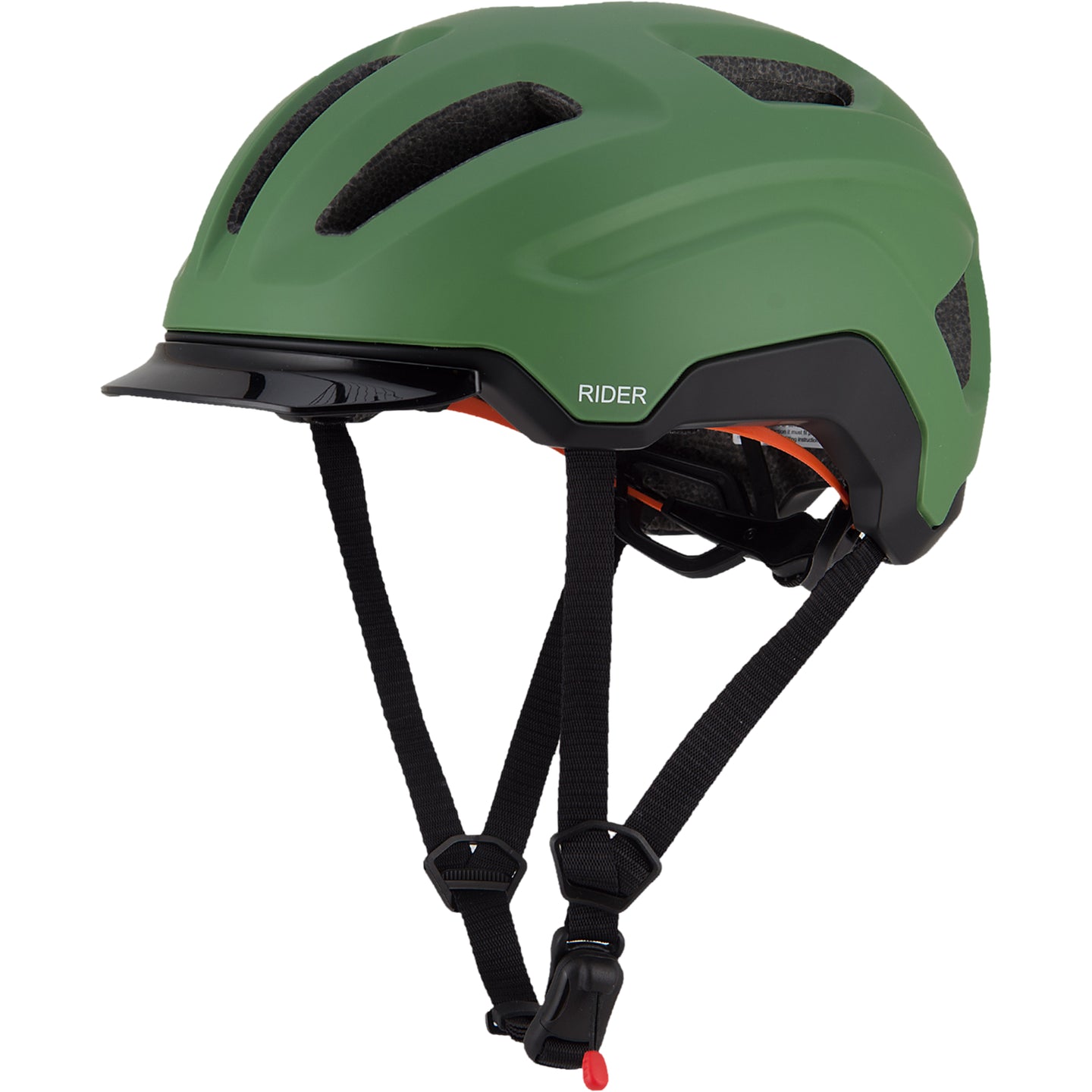
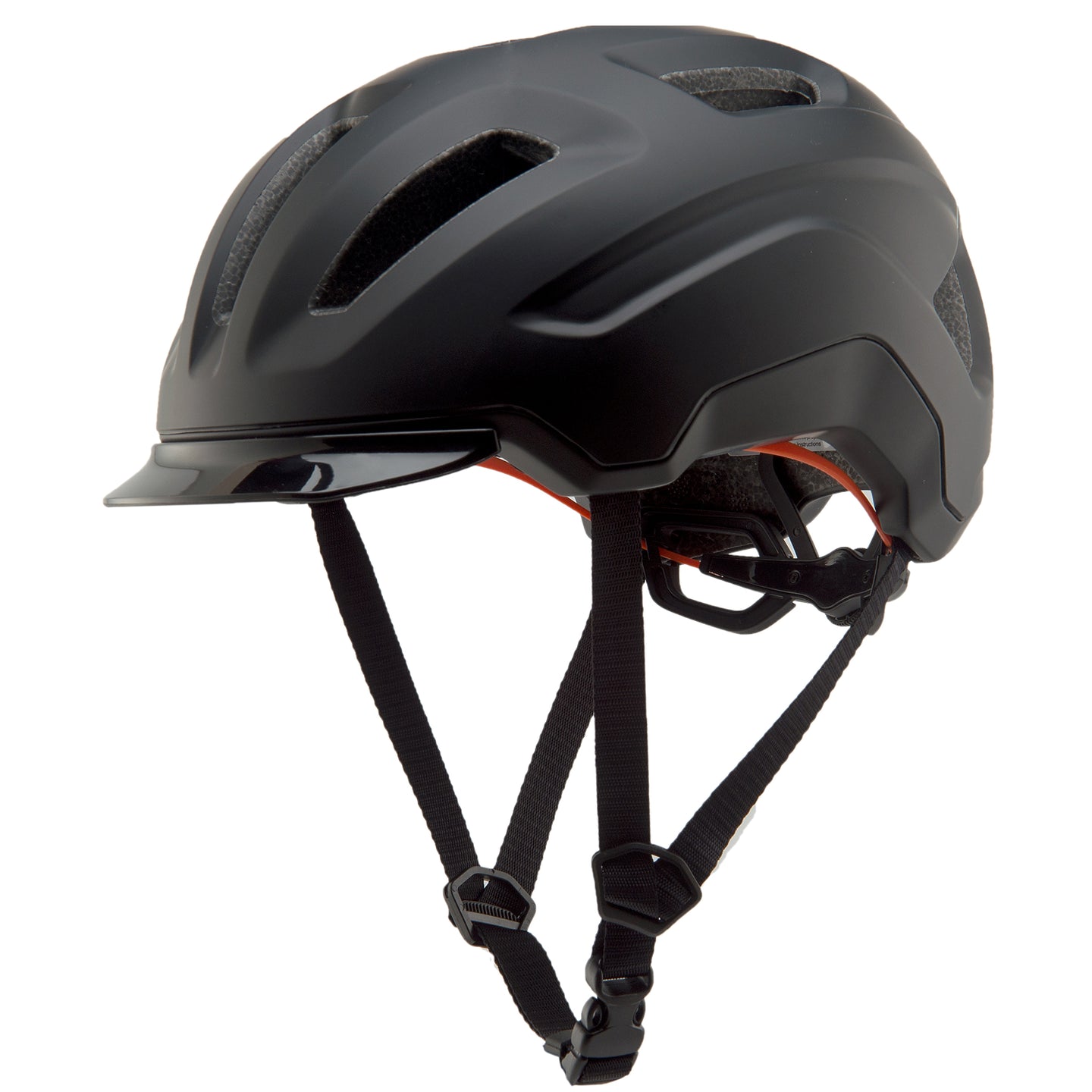
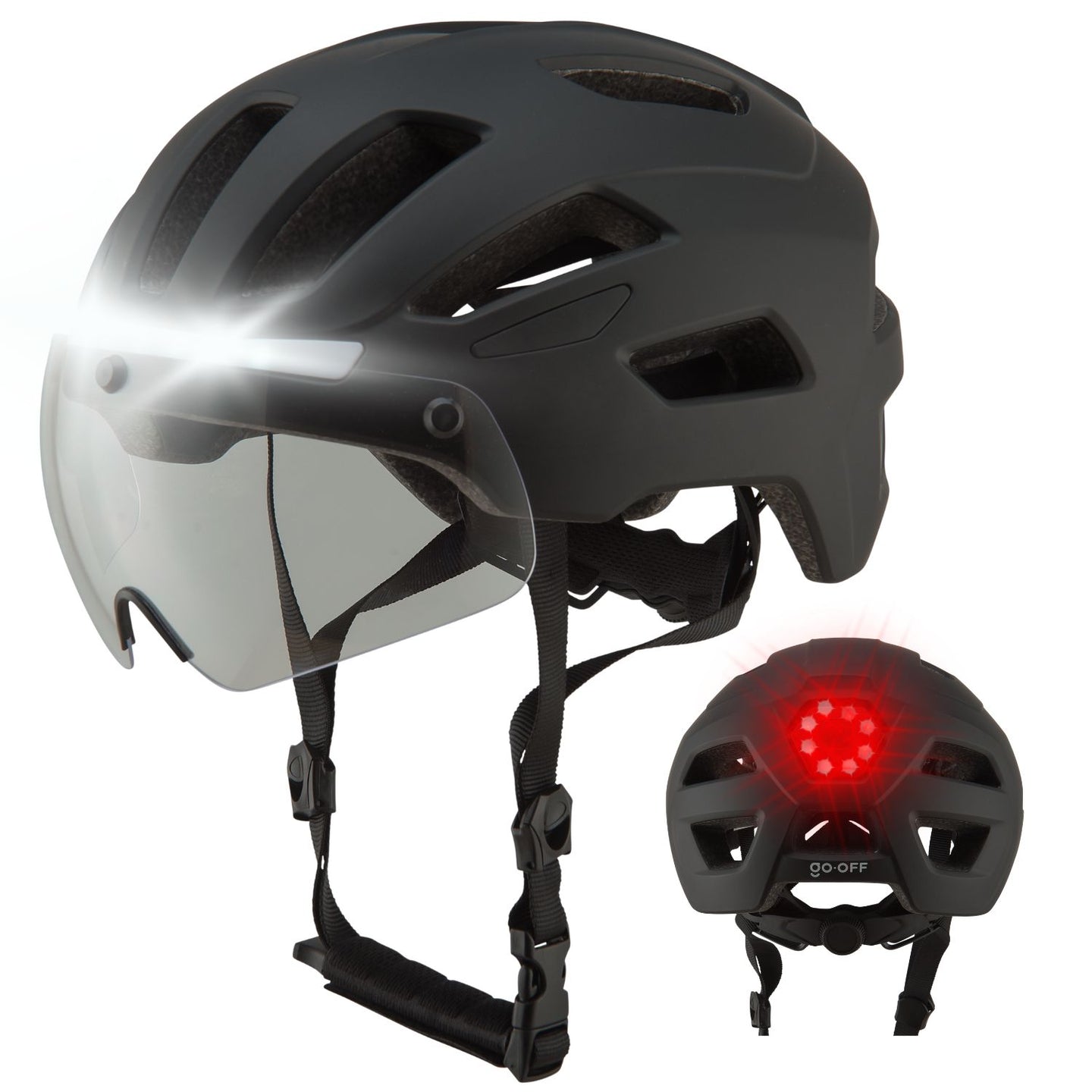
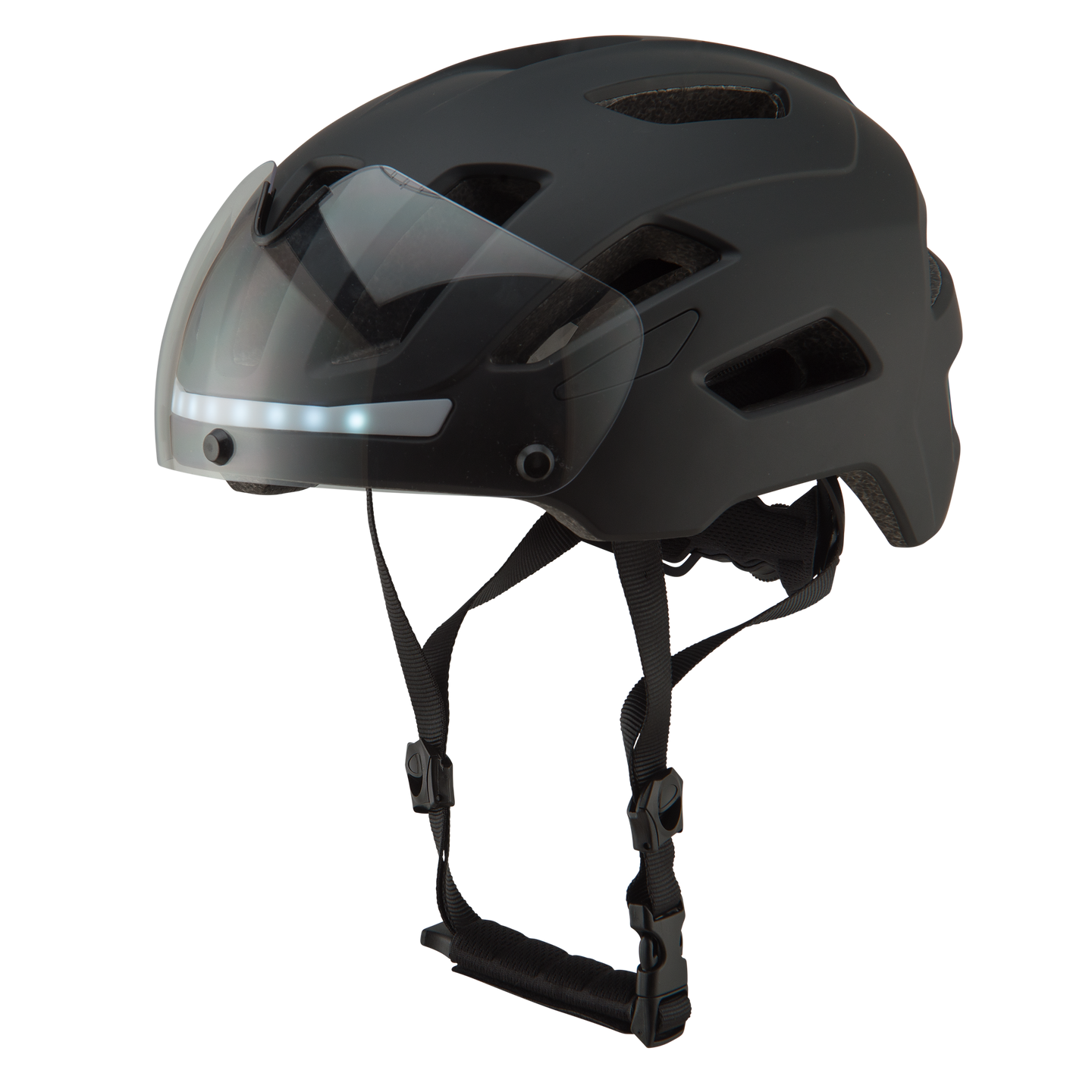
Designed for riders who mix roads, tracks, and trails, GO-OFF gravel and hybrid MTB helmets combine lightweight comfort, dependable protection, and breathable design for long days on varied terrain.
Filters





What our customers think
Top service, I am very satisfied!
Bought a great helmet and received excellent advice. Excellent service: fast delivery, and I could return it free of charge. And they also work as circularly as possible; in short, I'm a very satisfied customer.

Esther de Jong
Good helmet and top service for exchanging without hassle
Good, sturdy helmets with handy visors. Excellent service. I accidentally ordered the wrong item, but the correct one was delivered to my home the next day, free of charge.
Charlotte Dawance
Bicycle helmet fits perfectly and delivered super fast with good service
The bike helmet arrived and fits perfectly. Ordered yesterday and delivered today...thanks also for the excellent service and help I received. Very satisfied customer 👍Isabelle...
Isabelle Winne
Smooth and personal service like you rarely see anymore
Buying from this supplier is a true pleasure. I had a few questions and received excellent and quick assistance with the order. These days, it's nice to speak to a person on the phone, rather than a chatbot, which often leads to misunderstandings. Now I just have to wait for delivery to physically assess the quality.
Tony Hamberg
What makes a great gravel helmet
Gravel riding lives between worlds. It blends the speed of road cycling with the unpredictability of off-road terrain. Your helmet has to do the same. A great gravel bike helmet isn’t about extreme aero or downhill bulk—it’s about balance. Comfort over long distances, protection against the elements, and uncompromising safety when conditions turn rough.
Below are the three most important things to consider when choosing a helmet for gravel and MTB use.
Comfort that's last for hours
Gravel rides demand more from your gear, and comfort is where it all starts. A great gravel bike helmet must perform over hours, not minutes. That’s exactly where 4TEX makes the difference.
The 4TEX inner lining is designed for real-world riding conditions. It combines soft-touch comfort with technical performance, creating a stable and pleasant fit even on rough gravel or technical MTB terrain. The material adapts naturally to the shape of your head, reducing pressure points and preventing irritation during long rides.
Breathability is built into the system. 4TEX actively manages moisture by absorbing sweat and allowing it to evaporate quickly. Combined with a well-engineered ventilation layout, this keeps your head cool on slow climbs and dry when the intensity ramps up. No clammy feeling, no overheating—just consistent comfort.
Unlike standard padding that breaks down over time, 4TEX maintains its structure and performance ride after ride. That means your bike helmet fits the same on kilometer one as it does on kilometer one hundred.
Key comfort benefits of 4TEX:
- Soft, adaptive inner lining for long-distance comfort
- Excellent moisture control and fast drying
- Seamless integration with ventilation channels
- Durable padding that keeps its shape over time
Comfort isn’t about luxury—it’s about focus. With 4TEX, the helmet disappears on your head, so you can focus on the ride, the terrain, and the line ahead.
Protection from sun, rain, and the unexpected
Gravel means exposure. Open landscapes, forest trails, changing light, and unpredictable weather are part of the appeal—but they also demand smarter protection.
This is where a helmet with visor or a sunvisor helmet becomes a real advantage. A visor blocks low sun, reduces glare, and improves visibility when riding into changing light conditions. On wet rides, it helps keep rain and spray out of your eyes. In wooded areas, it adds a layer of protection against branches, dust, and flying debris.
Unlike traditional road helmets, gravel helmets benefit from integrated visors or compatible add-ons that don’t compromise aerodynamics or ventilation. The goal isn’t bulk—it’s clarity and control.
Safety that goes beyond minimum standards of CE for 25 km/h helmet
Gravel speeds are increasing. Bikes are faster, routes are longer, and terrain is more demanding. Your helmet should reflect that reality.
Standard bicycle certifications are designed for traditional cycling speeds. For gravel and e-MTB riders, higher impact protection matters. That’s why choosing a helmet that is NTA 8776 certified or designed to meet this standard is a smart move.
NTA 8776 helmets are built to handle higher impact forces and offer extended coverage, particularly around the temples and back of the head. Even if you don’t ride an e-bike, the added protection makes sense for fast gravel descents, loose surfaces, and mixed-terrain riding.
Key safety features to look for:
- NTA 8776 certification or equivalent design philosophy
- Reinforced shell construction
- Extended coverage zones
A great gravel bike helmet doesn’t just meet the minimum—it anticipates real-world crashes and protects accordingly.